
Como o contacto com diferentes culturas desenvolve a empatia
An international school offers unique academic and socio-emotional benefits, such as multilingual education and a multicultural environment that broadens horizons and fosters the development of empathy. At Astoria International School, every child is prepared to grow and thrive in a global world.
Choosing an international school for your child is a decision that goes far beyond location and facilities. It is a choice about the kind of person you wish to help shape – someone capable of understanding the world with an open mind, curiosity and a critical eye.
At a time when families in Lisbon, Cascais and Oeiras are increasingly seeking educational alternatives that prepare children for a global society, the choice of an international school has become increasingly important.
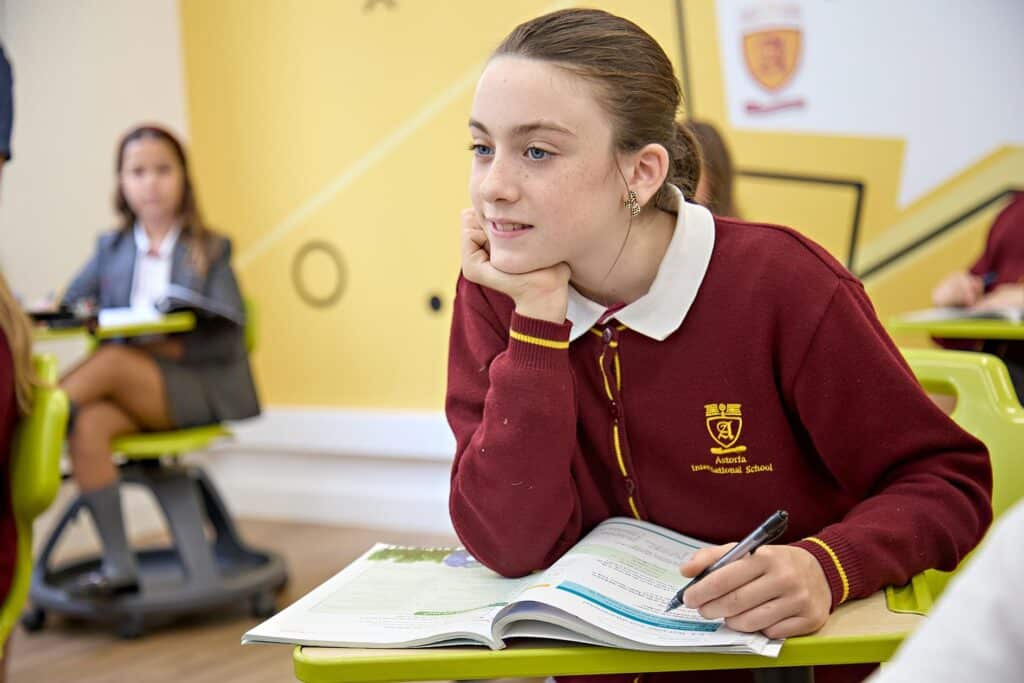
At Astoria International School, a private school in Lisbon with extensive experience in international education, this is precisely the core focus of the educational project: to nurture well-rounded children, not only academically prepared, but also emotionally resilient and culturally aware.
What characterises an international environment in a school?
When discussing international education, questions often arise about what, in practice, distinguishes this educational model from the traditional national curriculum.
An international school is not defined solely by the language used in the classroom. What makes it truly distinctive is the way it integrates diversity, openness to the world and teaching methodologies that transcend the boundaries of a single education system.
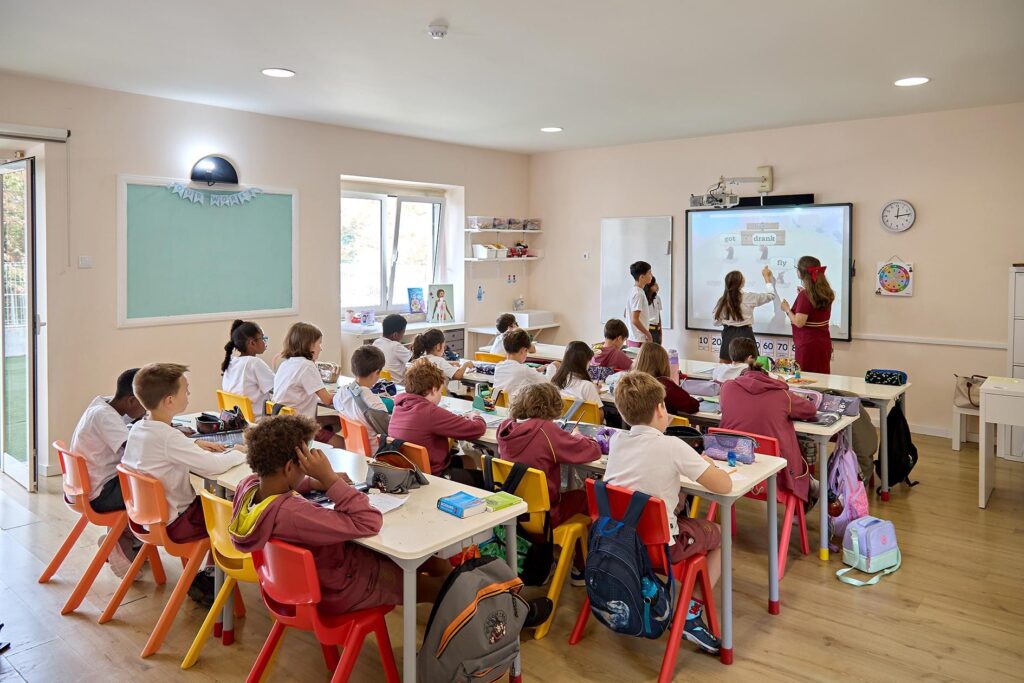
An international environment is characterised, first and foremost, by the presence of a diverse school community, comprising pupils, teachers and families from different countries and cultural backgrounds.
This daily interaction exposes children to different ways of thinking, communicating and solving problems. Added to this is a curriculum that prioritises global literacy, critical thinking and the ability to adapt to diverse contexts.
At Astoria International School, this environment is embedded in the educational project itself, based on three pillars (Learning to Be, Learning to Do and Learning to Innovate) that place the holistic development of each pupil at the heart of the entire learning process.
External recognition of this commitment to interculturalism is evident in the Intercultural School Seal awarded to Astoria, a distinction that certifies how cultural diversity is integrated, in an intentional and structured manner, into school life.
An experienced and international teaching staff completes this picture, ensuring that diversity is present not only amongst the pupils, but also amongst the adult role models with whom they interact every day.
Cultural diversity: learning from different perspectives
In a school with a multicultural environment, diversity is not merely a stated value, but also an educational resource in its own right.
Learning alongside classmates who have grown up in different cultures, with different traditions, values and ways of viewing the world, helps children develop a sociocultural intelligence that no textbook alone can convey.
This daily exposure to difference has tangible effects on learning. When a pupil works on a project with a classmate of a different nationality, they are encouraged to consider viewpoints they had not previously considered, to question their own certainties and to find more creative and well-founded solutions.
The interdisciplinary projects developed at Astoria draw precisely on this collective richness: pupils collaborate, learn from their differences and build a broader view of the world around them.
For families looking for an international school in Lisbon, this multicultural dimension represents one of the key distinguishing factors and one of the advantages most difficult to replicate in another educational context.
How contact with different cultures fosters empathy
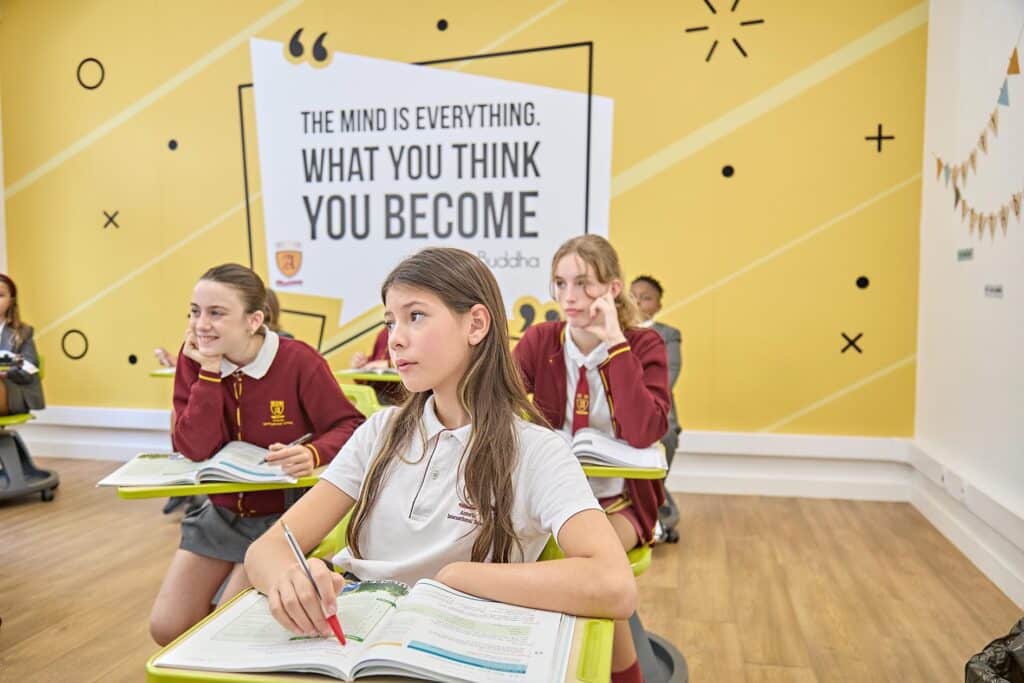
Exposure to diversity does not merely contribute to a fruitful academic experience. It also has a profound impact on children’s socio-emotional development.
Research in this area is clear: children who grow up in culturally diverse environments tend to develop greater empathy, better emotional regulation and a more positive relationship with others.
An article from the ‘Health and Wellbeing at ULisboa’ project, by the institution of the same name, reinforces precisely this idea, emphasising that multiculturalism and ethnic diversity have historically contributed to strengthening values such as cooperation, tolerance and empathy in interpersonal relationships, and that practising empathy reduces the likelihood of conflict and increases cohesion between groups.
Empathy, understood as the ability to understand and share another person’s feelings, is one of the most valued skills in the 21st century, both in the workplace and in interpersonal relationships. It is a quality that is cultivated above all through contact with those who are different from us.
At Astoria, the ‘Learning to Be’ pillar of the educational project places social and emotional development at the heart of school life. Through dedicated psychological support and teaching practices that emphasise listening, respect and cooperation, pupils are encouraged to develop not only their knowledge but also an awareness of themselves and others.
This ongoing work has a visible impact on each child’s emotional well-being, their academic performance and the quality of the relationships they build with the entire school community.
Preparing for a global world
We live in a world where physical, professional and cultural boundaries are becoming increasingly permeable.
Consequently, preparing children for this environment requires an educational model that goes beyond the mere transmission of knowledge and focuses on developing essential life skills, such as critical thinking, independence, creativity, effective communication and the ability to work in multicultural environments.
International education addresses this challenge in a structured way. The extracurricular activities, collaborative projects and active methodologies used at Astoria prepare students for the challenges of the present and the future in an integrated and consistent manner.
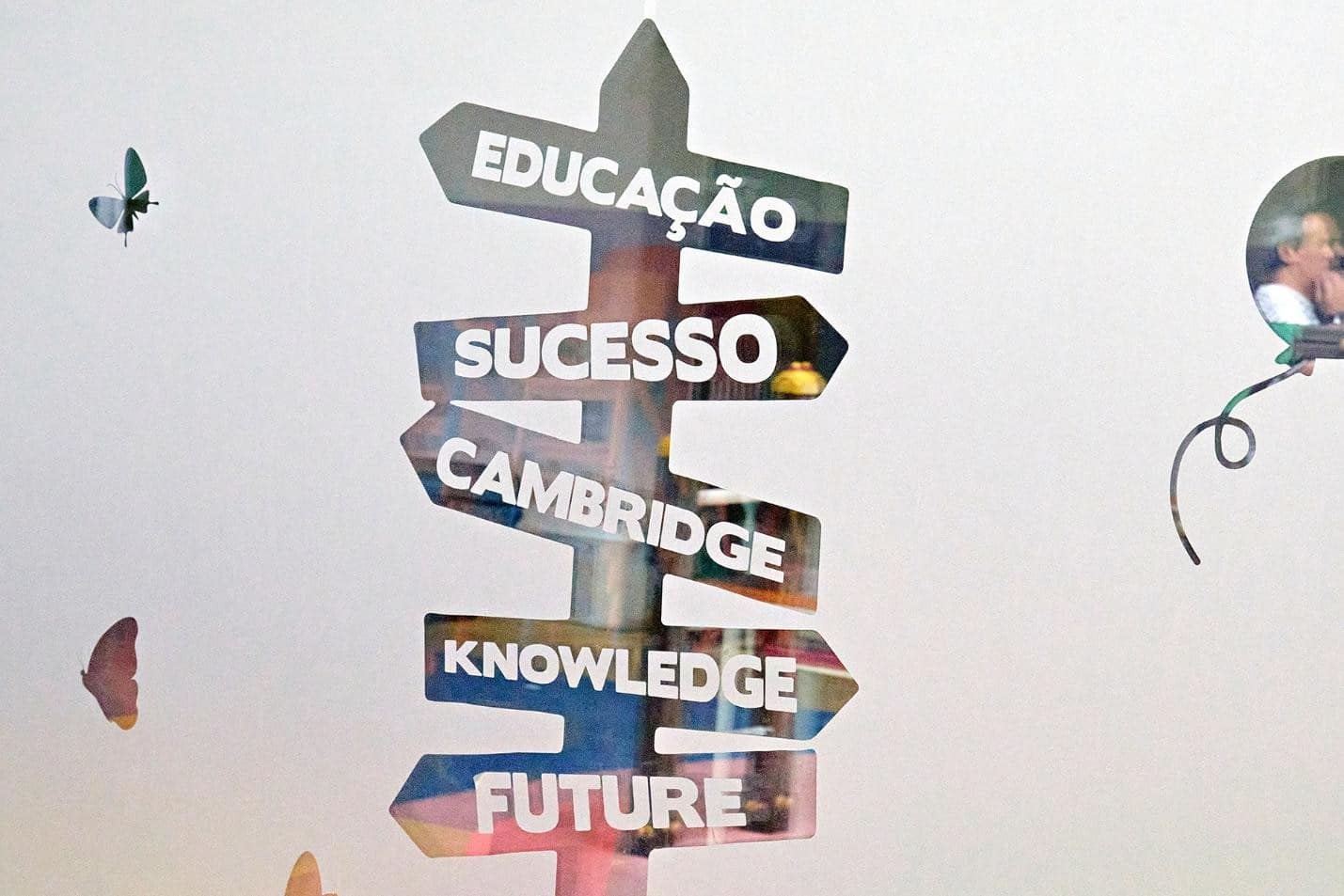
In addition, the school is accredited to prepare and certify students for the Cambridge and Trinity exams, internationally recognised qualifications that validate language skills at the world’s leading universities.
For families in Lisbon, Cascais and Oeiras seeking an education that opens doors beyond borders, this combination of academic rigour and a global outlook offers tangible and lasting benefits.
Exposure to different languages from an early age
One of the most distinctive features of international education is its focus on multilingual education from the earliest years of life, the benefits of which extend far beyond linguistic fluency.
Children who grow up in multilingual environments develop stronger cognitive abilities, such as greater concentration, better working memory and improved problem-solving skills.
Learning several languages simultaneously does not hinder learning; on the contrary, it stimulates the brain in ways that benefit all areas of knowledge.
At Astoria International School, multilingual education begins in the Nursery, with a natural introduction to English, and develops progressively: bilingual teaching in English and Portuguese up to Year 2 of Key Stage 1, with an introduction to German in Years 3 and 4, and the inclusion of French from Year 5 of Key Stage 2.
This gradual and consistent language immersion ensures that pupils develop genuine fluency in each language, rather than merely a superficial exposure to other languages. The result is a generation of genuinely multilingual children, equipped to communicate and thrive anywhere in the world.
In conclusion
International education is not a passing trend, but a concrete response to the demands of a constantly changing world.
A well-structured international school offers children academic and socio-emotional benefits that will stay with them throughout their lives, namely:
- A solid linguistic foundation;
- The ability to relate to others;
- Emotional resilience;
- An openness to the world.
If you are considering this option for your child and are looking for an international school in Lisbon, Astoria International School welcomes you.
Book a visit and come and experience first-hand the environment, the people and the educational programme that make Astoria a benchmark in international education.
1. What distinguishes an international school from a national school?
An international school is distinguished by the cultural diversity of its community, a curriculum with a global perspective, a focus on multilingual education, and the inclusion of internationally recognised qualifications, such as those from Cambridge and Trinity.
2. What are the main academic advantages of an international school?
Key benefits include access to international qualifications, the development of multilingual skills from an early age, an interdisciplinary approach, and active teaching methods that make learning more meaningful and lasting.
3. How does a multicultural environment benefit children’s emotional development?
Regular contact with diversity stimulates the development of empathy, tolerance and emotional regulation, contributing to healthier interpersonal relationships and greater social cohesion.
4. Is multilingual education suitable for all children?
Yes. All children have a natural ability to acquire multiple languages, particularly in the early years of life, provided that the introduction is gradual and contextualised.
5. Does Astoria International School welcome families from Cascais and Oeiras?
Yes. The school is located in Lisbon, on Avenida Almirante Gago Coutinho, but welcomes pupils from across the Greater Lisbon area, including families from Cascais and Oeiras.