
A healthy morning routine for children is the quiet architecture of the day. Built on consistency, connection, and calm transitions, it supports emotional balance, sharper focus, and genuine school readiness long before the first lesson begins.

There is a moment many parents recognise. It happens on an ordinary weekday morning, and quietly, almost instinctively, a question arises: “Why are our mornings so hard?” Creating a healthy morning routine for children is rarely about discipline alone.
At Astoria International School, a private school in Lisbon, we often see how deeply the quality of the morning shapes a child’s learning experience. A morning routine for children is a daily opportunity to build stability, provide reassurance, and foster readiness.
Why Morning Routines Matter for Learning
Children do not simply “switch on” when they enter the classroom. Their emotional state travels with them.
Predictability plays a powerful role in emotional security. When a child knows what to expect, their brain feels safer. This sense of safety reduces stress responses and allows attention to shift towards learning. A structured school-morning routine provides stability.
Young children, in particular, respond strongly to transitions. Abrupt changes, raised voices, or rushed instructions can trigger anxiety. Calm, repeated sequences signal that the day is unfolding as expected. Over time, this consistency builds confidence and self-regulation.
The contrast is often visible. Chaotic mornings may lead to irritability, distraction, or difficulty separating from parents. Structured mornings, even simple ones, tend to support smoother arrivals and greater engagement in class.
Within a strong educational project, mornings are not seen as isolated domestic moments but as part of a broader developmental journey. The habits children build before school influence how they participate, concentrate, and relate to others throughout the day.
A healthy morning routine before school does not eliminate challenges, but it reduces unnecessary friction and helps children start the day balanced.
What Defines a Healthy Morning Routine
Many parents worry that routine means rigidity. In reality, consistency matters more than perfection.
A healthy morning routine for children is defined by clarity and rhythm. Knowing what comes first, what follows, and what is expected at each step helps them feel secure. The pace should feel steady rather than hurried.
Age also matters. A morning routine for nursery years will look very different from one that an early primary school student can manage independently. At earlier stages, more guidance and reassurance are needed. As maturity grows, small responsibilities can be introduced gradually, strengthening autonomy step by step.
Flexibility is part of health. Some mornings will be smoother than others. The goal is not flawless execution, but a predictable structure that children can rely on.
The Building Blocks of a Good Morning
A good morning rarely happens by chance. It is built through consistent habits that create calm, connection, and readiness for the day ahead.
Enough Sleep and a Gentle Wake-Up
Every healthy morning begins the night before.
Sleep supports emotional regulation, attention span, and memory consolidation. A tired child is far more likely to struggle with transitions and cooperation. Protecting bedtime routines is one of the most effective ways of preparing children for school mornings.
The wake-up itself also matters. Gentle light, a calm voice, or a familiar phrase can make a significant difference. Starting the day with tension often sets the emotional tone for the rest of the day.
Avoiding last-minute rushing begins with allowing enough time. When mornings feel compressed, stress spreads quickly through the household.
Breakfast and Energy for Learning
Nutrition plays a quiet but powerful role in concentration.
A simple, balanced breakfast supports stable energy levels. Protein, whole grains, and fruit help children sustain attention during the first hours of school. Eating without distractions also allows the body and mind to wake gradually.
Early-morning screens may seem convenient, but they can overstimulate and fragment attention before the day has properly begun. A calmer environment supports a smoother transition into structured learning.
Small choices in the early hours shape healthier habits for children. These daily practices build resilience and readiness over time.
Emotional Preparation for the Day Ahead
Mornings are not only logistical, but also relational.
A short conversation about what the day may bring helps children anticipate and organise their thoughts. A consistent goodbye ritual creates emotional continuity. A simple hug can regulate stress more effectively than many words.
Reducing anxiety before school depends on predictability rather than pressure. When adults manage their own stress, children feel safer. When expectations are clear but communicated calmly, children are more likely to cooperate.
This perspective reflects a philosophy of caring and educating, where emotional connection is understood as an essential foundation for academic success.
Preparing children for school mornings is not just about being on time; rather, it is about ensuring they arrive emotionally prepared to learn.
Common Mistakes That Make Mornings Harder
Some difficulties arise not from lack of care, but from accumulated habits.
Leaving preparations for the last minute increases pressure for everyone. Packing bags, choosing clothes, or reviewing homework the night before can significantly ease the morning flow.
Unrealistic expectations also contribute to frustration. Developmental stages differ widely. A four-year-old will not organise themselves like an eight-year-old. Adjusting expectations to a child’s maturity prevents unnecessary tension.
When families view routine as support rather than control, mornings often become lighter.
Why an Alignment Between Home and School Matters
Children move between environments every day. When home and school share similar expectations around structure and emotional safety, transitions become smoother.
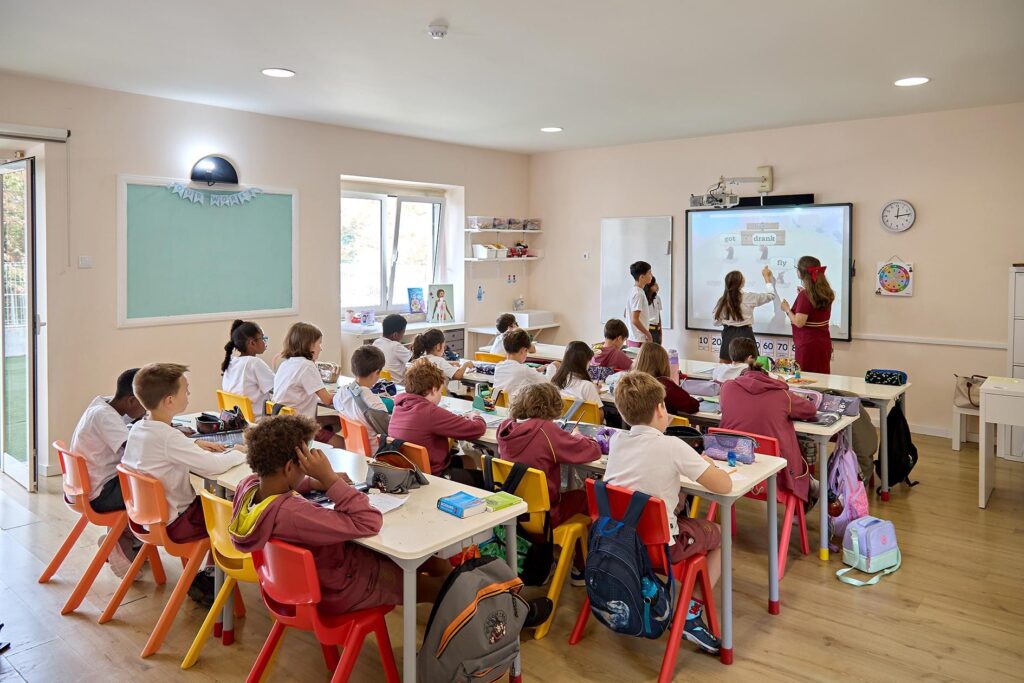
A consistent school-readiness routine helps ease the transition to the school day. At Astoria International School, welcoming practices are designed to create continuity. Clear structures, predictable classroom rhythms, and emotionally safe spaces help children settle confidently.
Communication between parents and educators is essential. When families share concerns about mornings, teachers can observe patterns and offer guidance.
This partnership reduces anxiety and builds coherence. Children sense when the adults around them are aligned.
A Good Morning Prepares for More Than Just the Day
Morning routines shape more than punctuality, influencing long-term attitudes towards responsibility, independence, and learning.
When daily life unfolds within a steady structure, confidence grows naturally. Familiar sequences become internalised, expectations feel manageable, and gradually, autonomy and self-trust begin to take root.
Routine, when built with warmth and clarity, becomes a foundation for well-being. It teaches that challenges can be approached calmly. It shows that support is present.
A Shared Commitment
At Astoria International School, we believe that structured environments and emotional well-being go hand in hand. A child who feels secure is more open to challenge. A child who experiences consistency develops resilience.
If you are reflecting on your family’s mornings and wondering how to create greater balance, know that small adjustments can make a meaningful difference.
A healthy morning routine for children is not about control, but about connection, preparation, and trust. When these elements are present, the school day begins with confidence rather than hesitation.
If you would like to see this philosophy come to life in our daily practices, we warmly invite you to visit our school. Pre-enrolment for the upcoming year is open, and we would be delighted to welcome your family and explore this journey together.
Frequently Asked Questions (FAQs)
1. What makes a healthy morning routine for children effective?
An effective morning routine for children is predictable, calm, and age-appropriate. It combines enough sleep, balanced nutrition, emotional connection, and clear expectations, helping children feel secure and ready to learn.
2. How long does it take to establish a morning routine for children?
Consistency matters more than speed. Most families notice improvements within a few weeks, but routines evolve gradually. Small, steady adjustments tend to be more sustainable than sudden, rigid changes.
3. How can I reduce stress during the morning routine before school?
Preparing the night before, limiting early screen time, allowing enough wake-up time, and keeping communication calm can significantly reduce tension. Predictability helps children transition with greater confidence.
4. Should a school morning routine for children differ by age?
Yes. Nursery-aged children need more guidance and reassurance, while early primary students can gradually take responsibility for simple tasks. Expectations should match developmental stages.
5. How can home and school work together to support school readiness?
Open communication between parents and educators helps align expectations and identify challenges early. When routines and emotional support are consistent across environments, children adapt more smoothly and confidently.