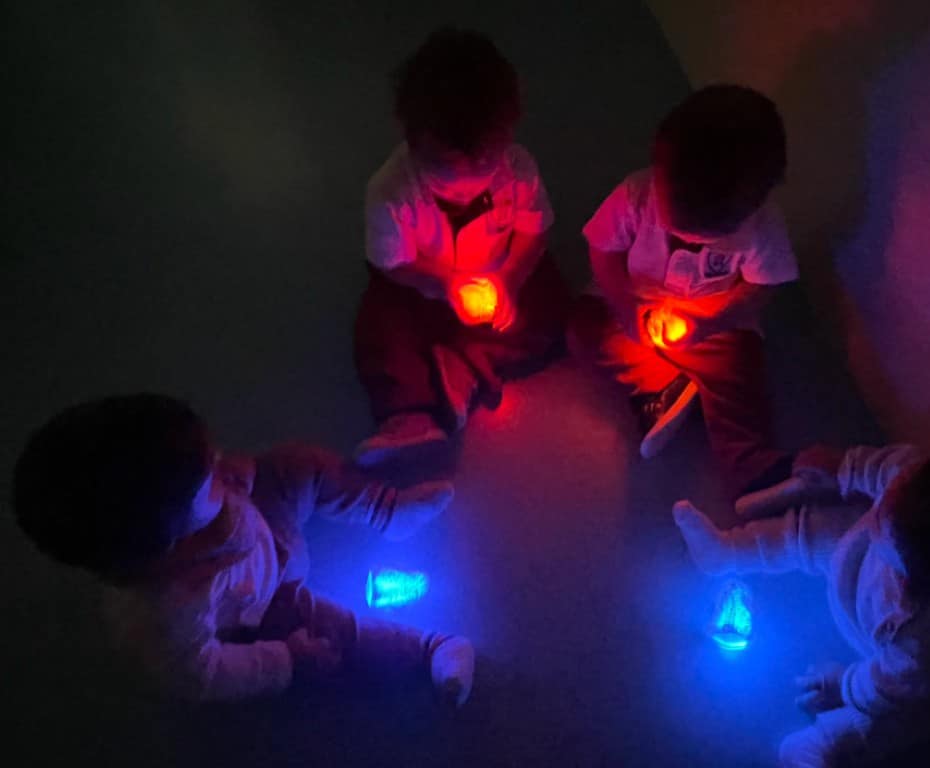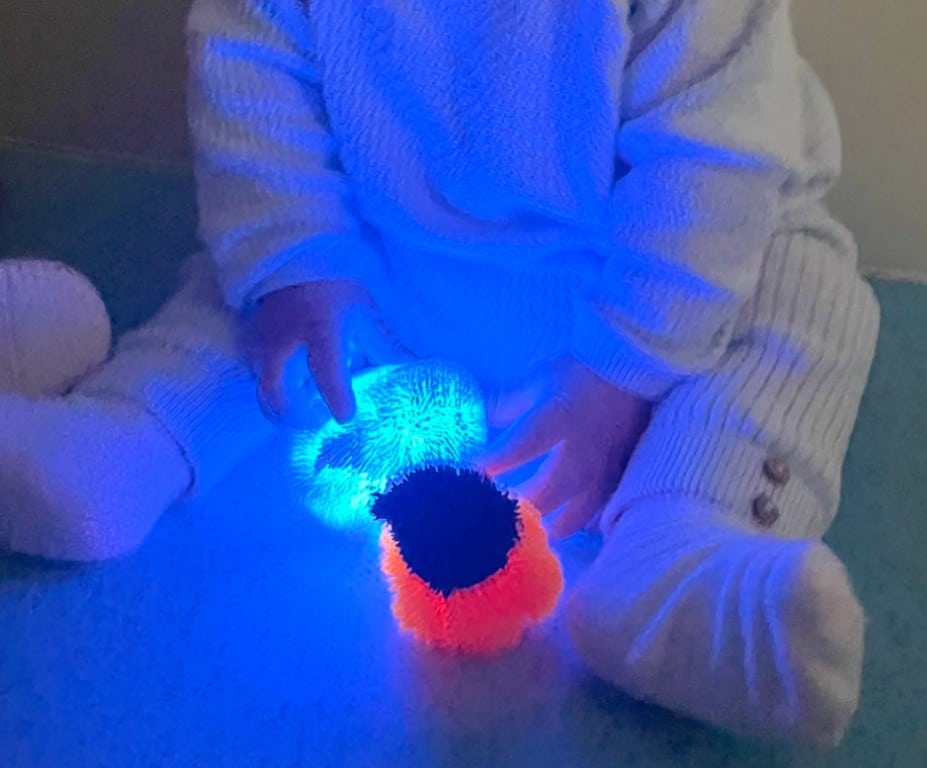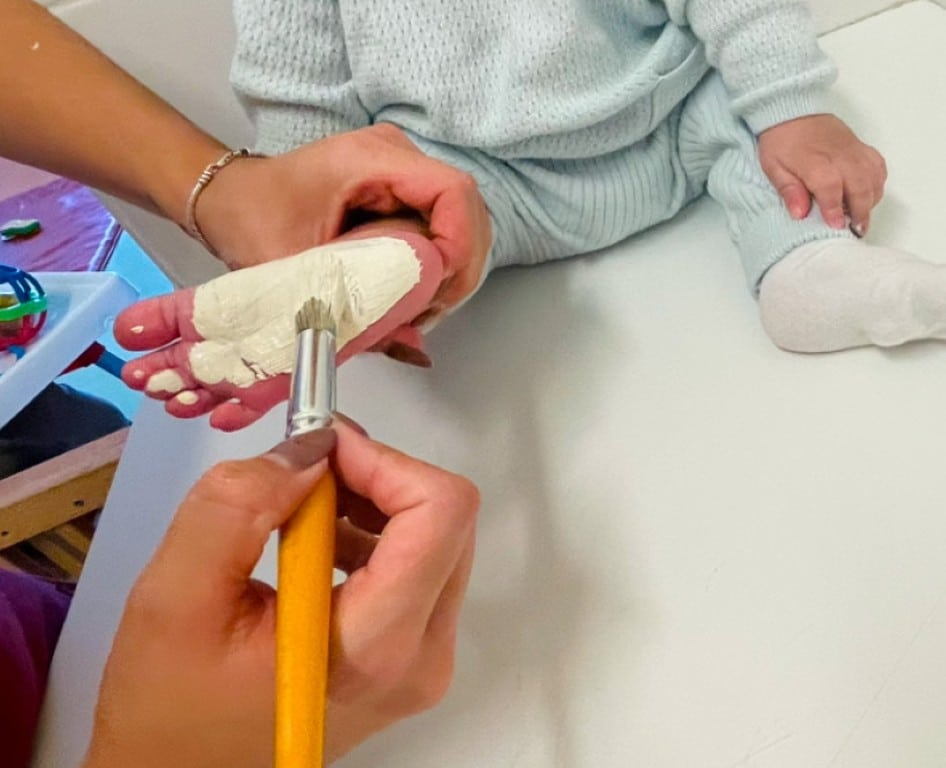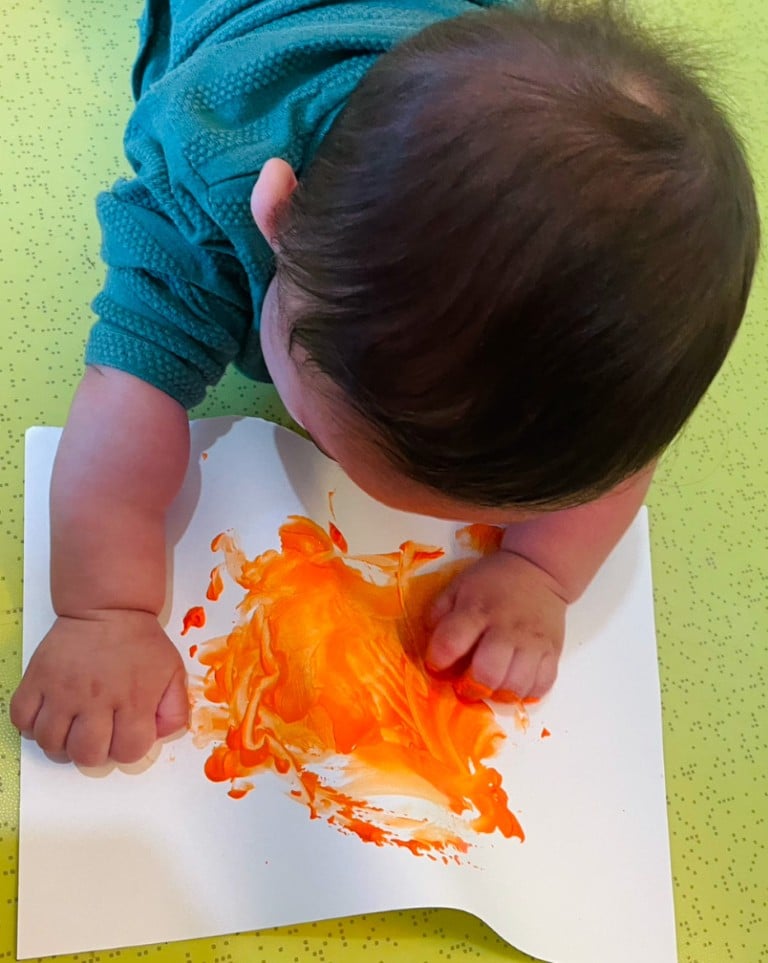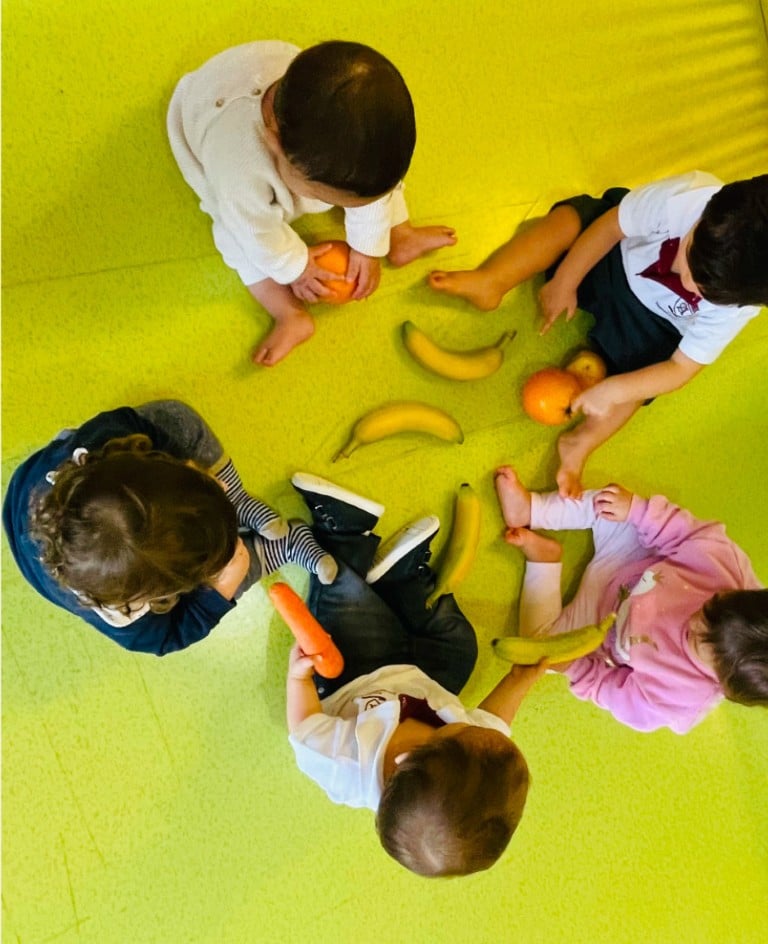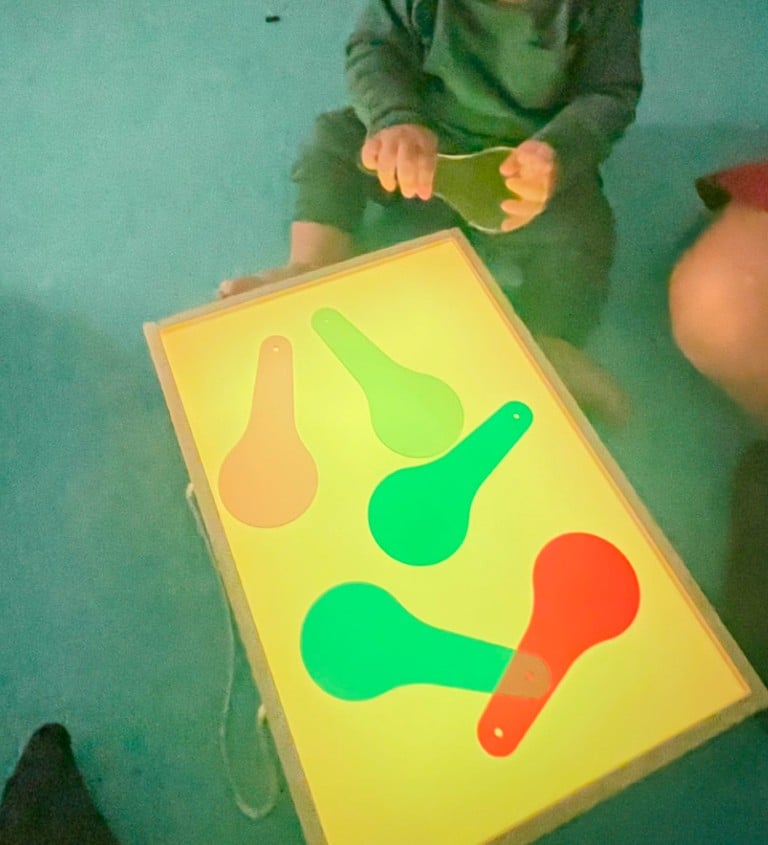
Sensory activities are essential for children’s all-round development, stimulating their senses and promoting more effective and fun learning. At our school, these activities are a fundamental part of our curriculum, helping students to explore the world in a creative and meaningful way.
Benefits of Sensory Activities
- Cognitive Development: Improves memory, attention and problem-solving skills.
- Motor Coordination: Helps improve fine and gross motor skills.
- Emotional Development: Stimulates emotional expression and socialisation.
- Improved Communication: Enriches vocabulary and communication skills.
Examples of activities at the school
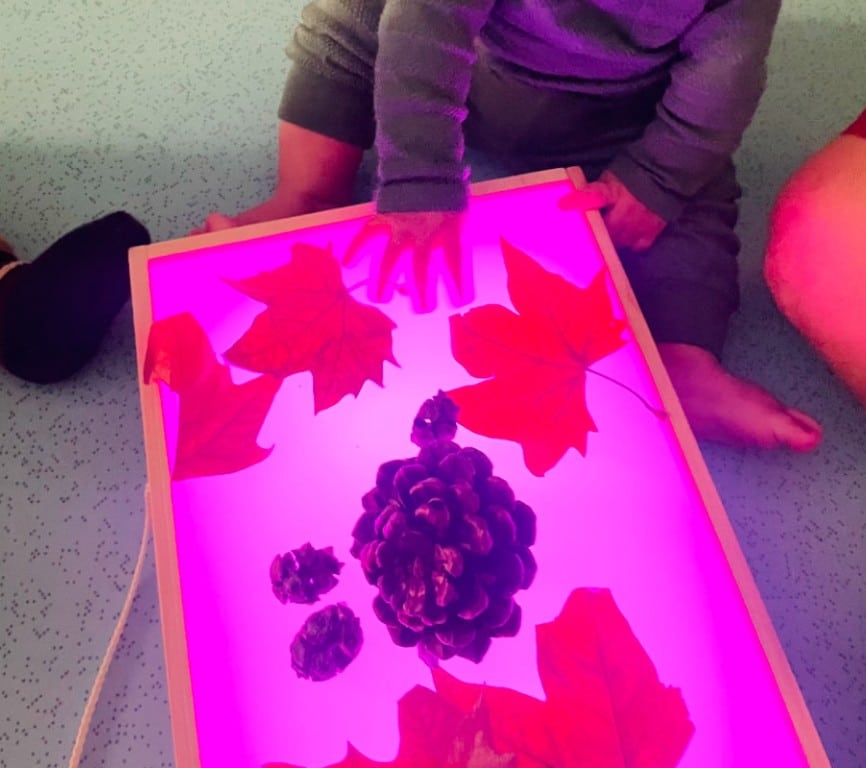
- Tactile Exploration: Touching different materials (sand, rice, pasta) to stimulate touch.
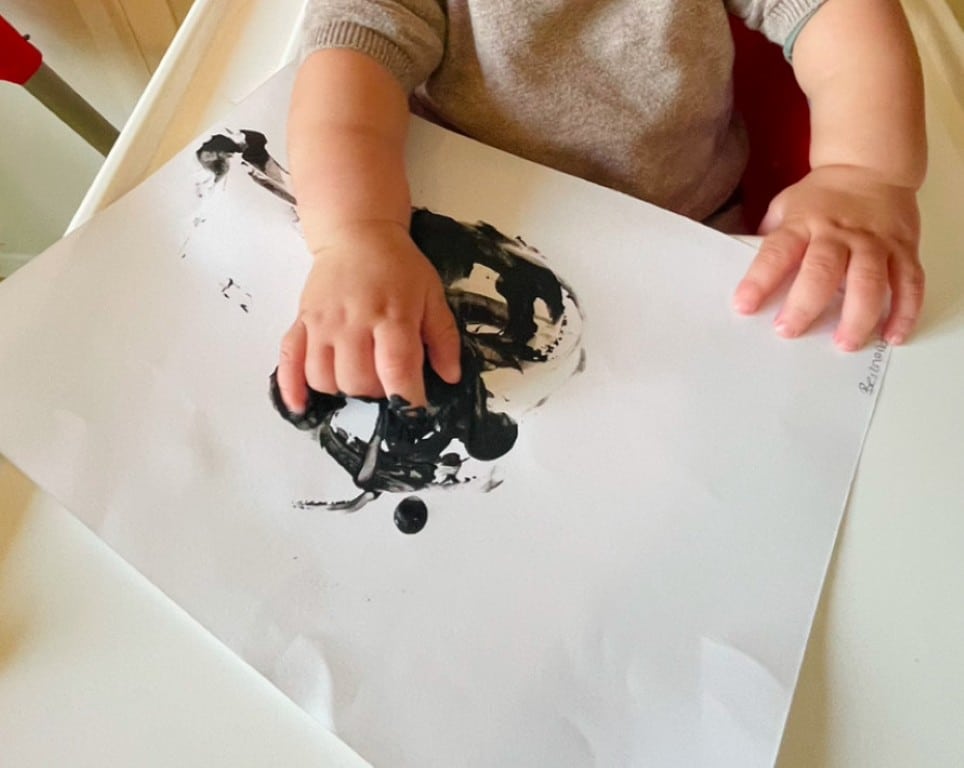
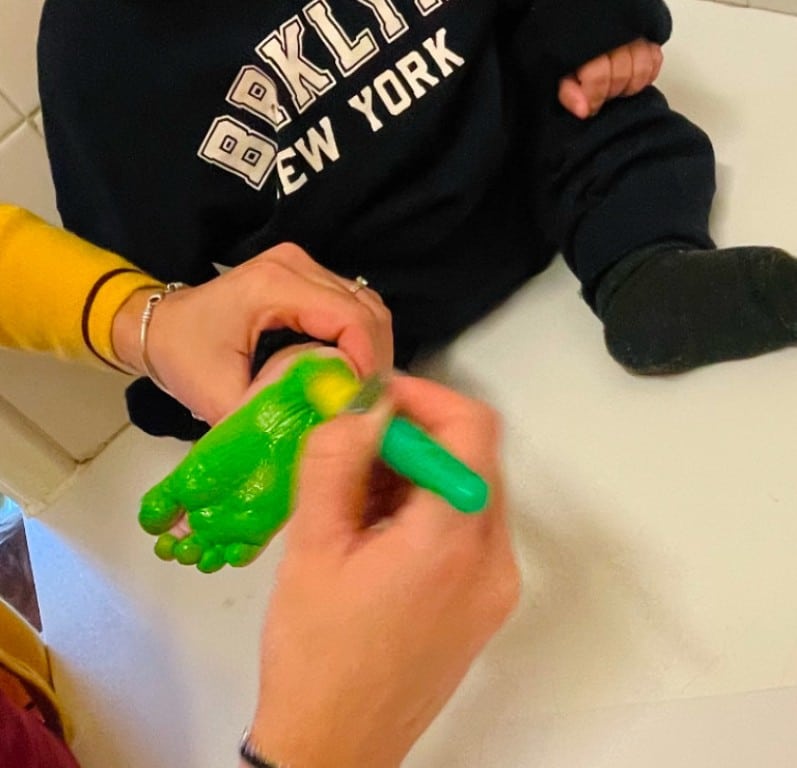
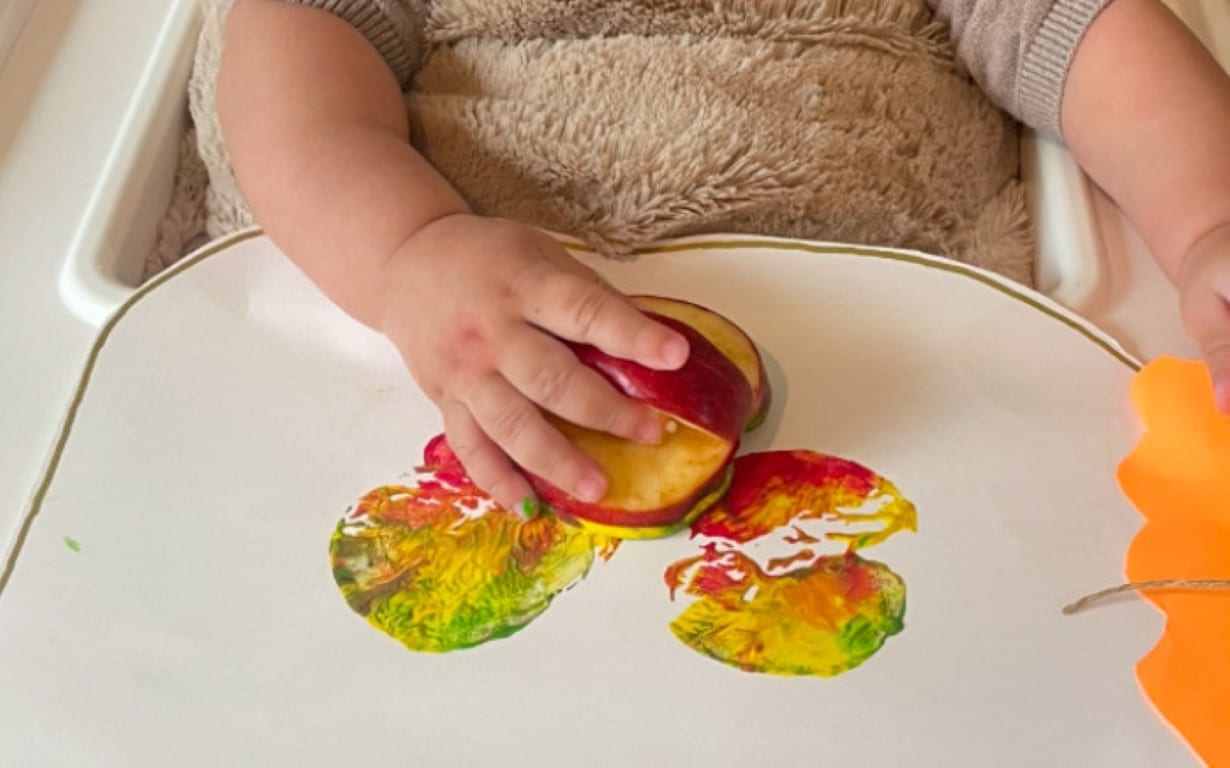
- Creative Art: Painting and drawing with different materials, promoting visual expression.
- Sound Games: Activities with musical instruments or natural sounds to develop hearing.
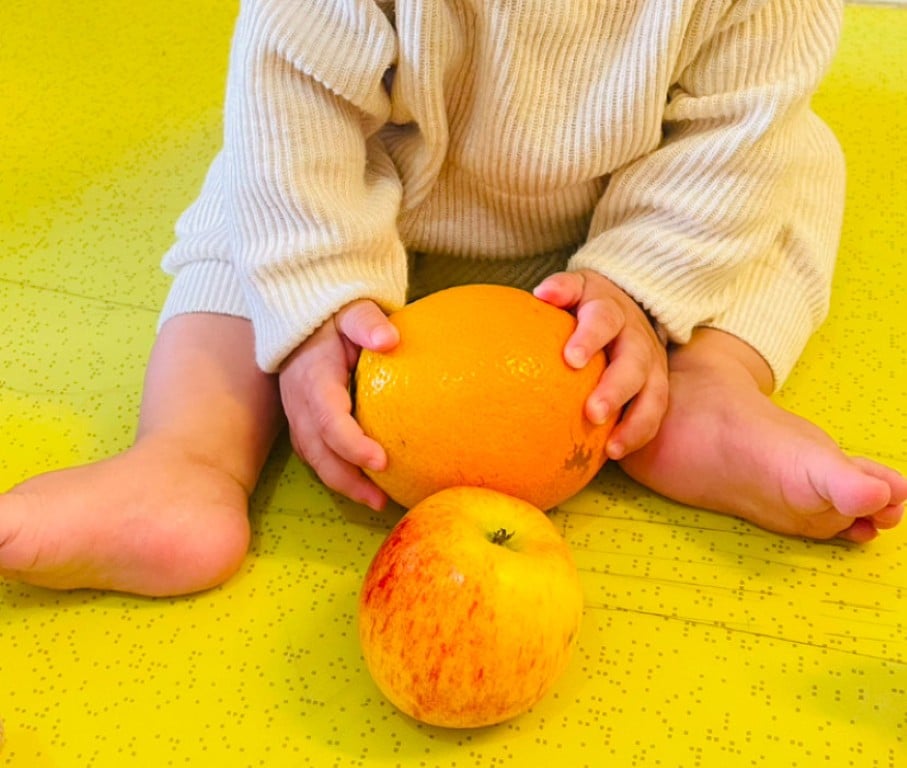
- Exploring Flavours and Smells: Sensory games with food to stimulate taste and smell.
These activities help children learn in a more dynamic and engaging way, making the educational process more fun and effective. At our school, we believe that every sensory discovery is an opportunity for children to grow, both academically and personally